
What made Danish Design Popular
Have you ever wondered how a small Nordic nation with a population smaller than New York City became the undisputed capital of modern furniture design?
Why Danish Design Took Over the World
Have you ever wondered how a small Nordic nation with a population smaller than New York City became the undisputed capital of modern furniture design?
Today, “Danish Modern” or “Danish mid-century” is a gold standard. Pieces from the 1950s and 60s don’t just hold their value – they are actively coveted, collected, and passed down through generations. But this global phenomenon didn’t happen by accident. It was the result of a perfect storm of master craftsmanship, architectural philosophy, and a deep respect for natural materials.
Here is the story of how Danish furniture conquered the world.
“One cannot create happiness with beautiful objects, but one can spoil quite a lot of happiness with bad ones.” – Finn Juhl
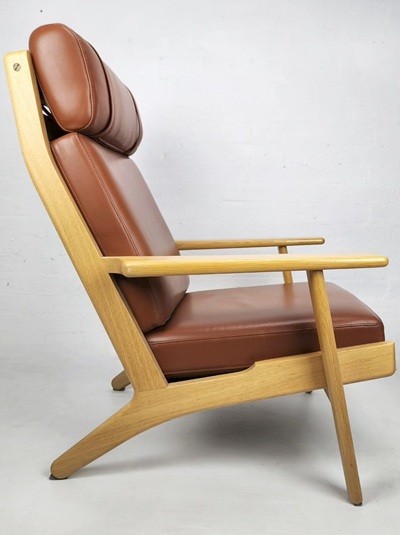
Form Follows Function
Before the mid-20th century, European furniture was often heavy, ornate, and designed to show off wealth. The Danes changed everything. Led by professors like Kaare Klint at the Royal Danish Academy of Fine Arts, a new generation of designers stripped away unnecessary ornamentation.
They believed furniture should serve the human body, not just decorate a room. They focused on clean lines, organic curves, and democratic design—beautiful pieces made to be used and lived in every single day
The Pioneers of the golden age
This movement was brought to life by a handful of design giants whose names define the mid-century era:
- Hans J. Wegner: Known as the “Master of the Chair,” Wegner designed over 500 chairs in his lifetime. His Round Chair became so famous it was simply referred to as “The Chair” by the international press after it was used in the historic 1960 televised US presidential debate between Kennedy and Nixon.
- Børge Mogensen: A close friend of Wegner, Mogensen was the champion of the people. He designed functional, understated, and incredibly durable furniture. His Spanish Chair and Hunting Chair perfectly showcase his ability to pair robust solid oak with thick saddle leather to create timeless, honest design.
- Poul Kjærholm: While many of his contemporaries worked primarily in wood, Kjærholm was a renegade who fell in love with steel. He combined industrial steel frames with natural materials like leather, canvas, and wicker, creating an ultra-elegant, minimalist aesthetic that feels just as futuristic today as it did in 1955.

The World Takes Notice
The breakthrough happened in the 1950s. Exhibitions in the United States and lookbooks showcasing these airy, sunlit Danish interiors captured the imagination of a post-war world looking for a fresh start. Families living in newly built mid-century suburban homes fell in love with how light and spacious Danish furniture made their rooms feel.